COLLEGE READINESS ISN’T ABOUT GETTING IN. It’s About Staying Intact
By Mary Dobson, LMFT, CEDS
When parents search for college readiness, they’re often told to focus on grades, test scores, extracurriculars, and applications. But most parents aren’t actually worried about whether their child can get into college; they’re worried about what happens after the acceptance letter. True college readiness isn’t an admissions problem; it’s a developmental readiness question.

As a licensed school-certified psychotherapist, seasoned mental health expert, and longtime consultant to both schools and families, I am often asked what factors indicate true college readiness. This makes sense; as of this writing, 1 in 4 college students do not remain continuously enrolled after the first year. The exit statistics for these premature departures are disproportionately attributed to emotional stress and mental health, as opposed to factors like finances or academic failure.
One emerging factor has become abundantly clear: College readiness cannot be encapsulated by intelligence, grades, or how polished an applicant looks; it’s best expressed as a student’s ability to manage freedom. I’m referring to factors such as unstructured time, academic autonomy, social comparison, easy access to alcohol and substances, sexual opportunity, loneliness, and management with minimal external monitoring. A student can be bright, capable, and ambitious, and still not be ready for that level of independence.
Indisputably, the college landscape today is significantly different from a decade ago, and only in part because college admissions have become more competitive. There is more to this story: the reality is, college adjustment has also become more fragile.
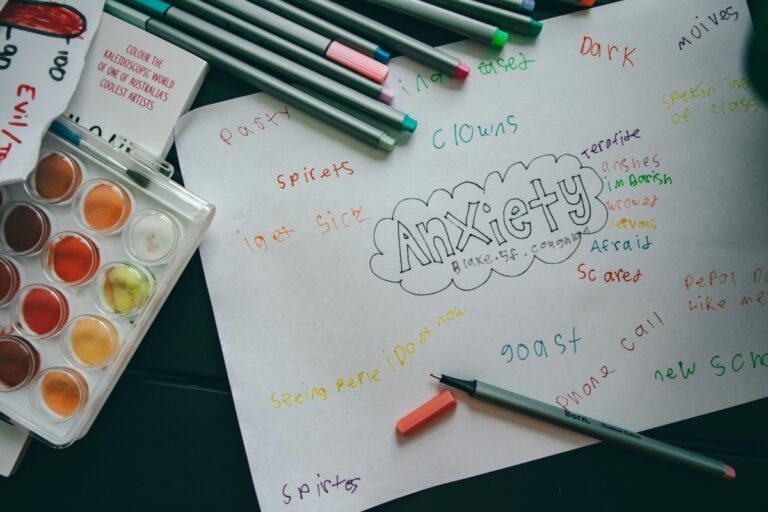
Colleges increasingly assume executive functioning skills that are still ‘under construction’ in adolescents (time management, sustained focus, self-directed learning); yet more students than ever arrive at college needing support in at least one core academic area. Rates of anxiety, depression, burnout, and emotional overwhelm among college students are substantially higher than they were ten years ago. College counseling centers are overextended, waitlists are common, and students are presenting with greater clinical complexity.
Instead of relying on comparison or intuition, families benefit from objectively evaluating their student’s readiness. In my Westport office, I provide an evaluation I refer to as a SHEER Score (a quantitative analysis of five essential domains: Self-Maintenance, Help-Seeking, Executive Functioning, Emotional Regulation, and Risk Management). For most parents, one domain stands out as more fragile than the others. This information isn’t diagnostic, it’s prescriptive. From a student’s SHEER score, parents can be guided to prepare a College Readiness Contract that requires parent and student partnership for implementation before, during, and after the freshman year.
My best advice for families is to view the college application process as the first real stress test of true readiness, and to insist that your child take the lead in it. The application process should really begin as early as freshman year of high school, with authentic skill development (note: I did NOT say résumé-building!). In 9th and 10th grade, this evolves into learning how to manage workload and building resilience. By 11th grade, readiness should include exploration and testing, and by 12th grade, independent execution and emotional containment.
Contact us today to schedule a consultation and begin your path toward lasting mental health and wellness.
Mary Dobson, LMFT, CEDS is a licensed marital and family therapist and CEO/Founder of LiftWell IOP-PHP and Lift Wellness Group, Westport CT-based intensive mental health programs serving children, adolescents, adults, and families. She specializes in anxiety, perfectionism, eating disorders, and high-achieving individuals. Mary presents and consults nationally to schools, treatment centers, parents, and youth. She lives locally with her husband and two children.